Before buying a product online, most people want reassurance that they are making the right choice. Since they cannot see, touch, or test the item in person, they often depend on reviews from other customers to guide their decision. A few honest words from a real buyer can do what even the best sales copy sometimes cannot, that is, build trust quickly.
Good product reviews have become one of the most influential parts of e-commerce. They help shoppers understand how a product performs in everyday use, its strengths, and whether it truly delivers on its promises. For businesses, reviews are just as valuable because they add fresh content to product pages, support SEO, and create the kind of social proof that can increase conversions. In this blog, you are going to learn how to write good product reviews that boost sales, along with all the details below.
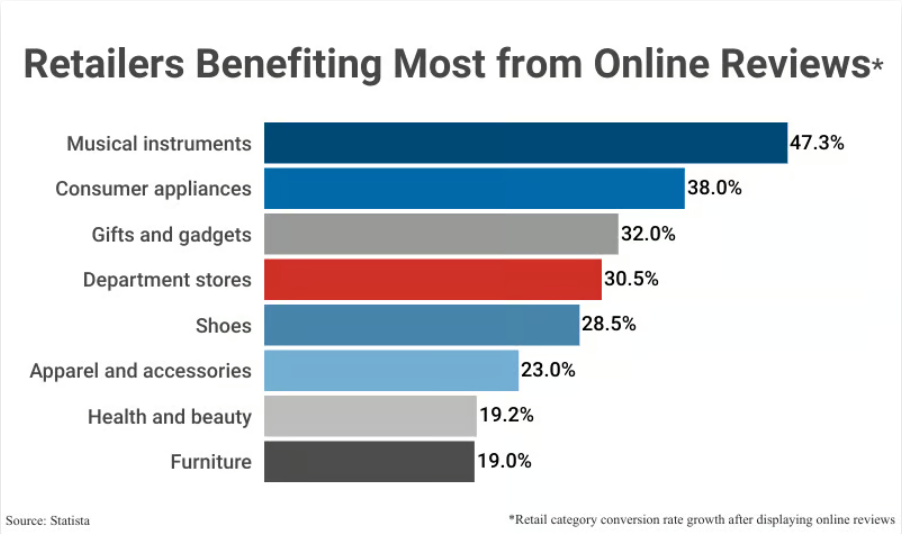
Product reviews have become an essential part of e‑commerce success. They influence not only buyer behaviour but also how search engines understand and rank your products. Let’s explore why reviews are so valuable:
Social Proof Impact: Explain how reviews act as trust signals
Buyers can’t touch or test products before purchase, so they rely on others’ experiences, which serves as social proof. For example, a review might read, “I was hesitant to order these wireless headphones online, but after reading several positive reviews about their battery life and comfort, I decided to give them a try. They exceeded my expectations, and I now use them every day.” Seeing real users share their opinions, positive or constructive, shows that:
Others have already purchased and tested the product
The product delivers the benefits it promises
There is transparency in your brand
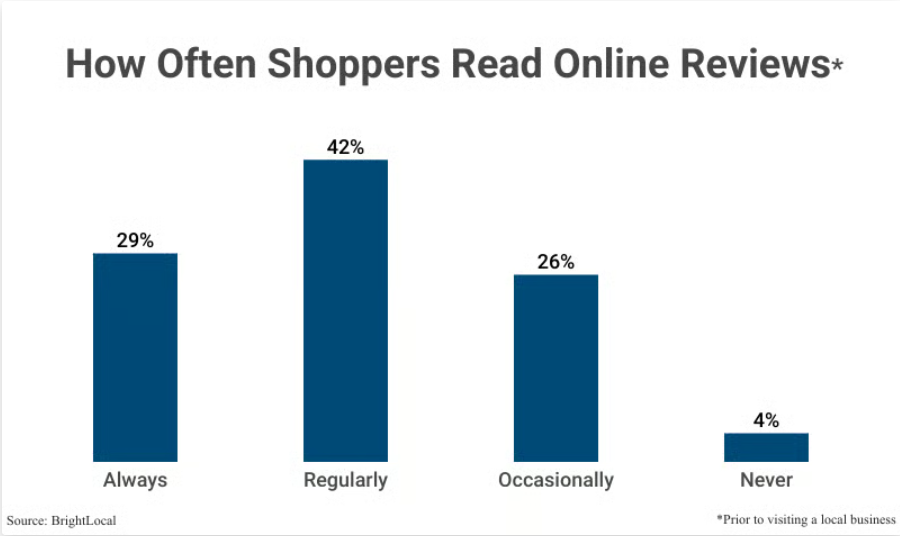
Most customers read reviews before buying. Positive reviews build confidence, while critical feedback provides authenticity. The more trust signals present, the more likely buyers are to convert.
SEO Effect: How search engines use product reviews to rank products
Product reviews aren’t just for buyers; they are valuable for SEO. Search engines like Google analyze review content for understanding what a product truly delivers. Here’s how reviews help SEO:
Fresh, unique content: Each review adds new descriptive phrases and user insights, improving your product page with relevant keywords.
Long‑tail keyword inclusion: Users naturally use particular phrases or pain points in reviews that your product description might not cover.
Improved search visibility: Pages with reviews often rank higher in search results because search engines see them as more authoritative and relevant.
With a better understanding of how reviews impact both trust and search rankings, let’s turn to practical steps you can take to generate more customer reviews and maximize their positive effects.
Collecting more reviews strengthens SEO and sales potential. Make it easy for customers to leave feedback by sending a friendly follow-up message with a direct link to your review form, or a follow-up card in your product packaging. Giving a simple incentive, like a discount on their next purchase, can encourage authentic reviews.
Building Buyer Trust: Show how customer-generated content creates credibility
When customers share their experience, they essentially vouch for your product, and that creates trust in ways marketing copy alone cannot. User‑generated content (UGC), like reviews, shows:
Real experiences from real people
Product strengths and common use cases
Authentic reactions that are not influenced by marketing bias
This boost matters because buyers inherently trust fellow consumers more than brand messaging. Many shoppers read reviews not just for features, but to see real use. This deepens trust and increases the likelihood of purchase. Negative reviews show honesty and give you a chance to respond constructively. Address criticism with empathy and solutions to reassure buyers and show your commitment.
According to current stats, “75% of shoppers who read online reviews are concerned about fakes”
How to Write a Convincing Product Review
Writing a product review that boosts sales requires more than saying “it’s great.” Whether you are a business owner looking to showcase your product or a customer wanting to share your experience, following a strategic, planned approach makes your review more persuasive, helpful, and search-engine-optimized. Let’s break it down phase by phase:
Start with the Basics: Title, rating, and brief product description
Before exploring details, set the stage:
Title: Write a clear and keyword-packed title like “Ultimate Review of the XYZ Wireless Headphones”.
Rating: Include a star rating. This helps readers and optimizes SEO rich snippets.
Product Description: Briefly explain what the product is and who it’s for. This orients the reader and sets expectations.
Be Honest and Transparent: Discuss the importance of genuine feedback
Authenticity creates credibility. Instead of only highlighting positives:
Explain what you liked and why
Discuss limitations or where the product could improve
Honest feedback creates credibility. If something didn’t work for you, explain it constructively. Trustworthy reviews encourage conversions as buyers appreciate honest assessments.
Focus on Benefits and Features: Guide on how to highlight both
Buyers don’t choose products based solely on specifications. They choose them based on what those specifications do for them. So when reviewing:
Features: List main functionalities. Like check battery life, material quality, size, etc for electronic devices.
Benefits: Convert features into benefits. For example, “Long 20‑hour battery life means less charging and more freedom for travel”.
Use the Right Tone: Professional vs. Casual Audience Language
Your tone depends on your audience and niche. For instance,
Professional tone works well for tech, health, or complex B2B products.
Casual, conversational tone may be better for lifestyle or entertainment products.
Whatever tone you choose, you should keep it,
Clear and engaging
Free of terminology unless necessary
Easy to scan with subheadings and bullets
A friendly, relatable voice helps your audience connect and feel confident in your recommendations. To make it even easier, here is a simple product review template you can share with customers or use yourself:
Product Review Template
Title: [Summarize your experience in a few words]
Star Rating: [1–5 stars]
Product Description: [Briefly describe the product and your use case]
What I Liked: [Highlight key features or benefits you appreciated]
What Could Be Improved: [Share any limitations or suggestions for improvement]
Would I Recommend this Product? [Yes/No and a short explanation]
Sharing this format not only encourages detailed, honest reviews but also helps you gather useful insights in a way that is easy for everyone to follow.
Key Elements of an Effective Product Review
Writing a compelling product review is an essential part of the buying decision process. A well-crafted review not only informs potential buyers but also helps create trust in your brand or product. In this section, you will get the key elements that make a product review truly effective.
Clear and Brief Product Description
A product review should start with a clear, concise description. Customers browsing online often skim reviews, so key benefits and features need to be highlighted immediately. Refrain from jargon or excessively technical terms if necessary, and use simple, easy-to-understand language. The goal is to quickly communicate the product’s value in a way that’s instantly digestible.
For example, if you are reviewing a blender, start by saying something like, “This powerful 800-watt blender effortlessly crushes ice, making smoothies smoother and faster than ever.” This way, readers immediately know the blender’s key benefit, like it’s powerful, fast, and smooth, without having to wade through lengthy descriptions.
Share Examples of How the Product Helped
One of the most important elements of a product review is the personal experience. Shoppers trust reviews that feel authentic, so sharing how the product performed for you, whether it met or exceeded your expectations, makes a big impact.
For instance, if you are reviewing a skincare product, you might share a story like, “I’ve struggled with acne for years, but after using this serum daily for just two weeks, I observed a marked reduction in breakouts.” This gives your readers a concrete example of how the product delivered results, which builds trust. The more precise you can get about your results, the better.
Highlight Details Like Product Size, Color & Usage Tips
Including specifics helps customers reach informed decisions. List the product’s size, color options, weight, and materials. Include details on how to use the product effectively, such as whether it requires special storage, any steps to achieve best performance, and whether it requires accessories.
For example, when reviewing a pair of running shoes, you might say: “These shoes come in three colors: black, navy, and white. They fit true to size and have extra padding around the ankle for added comfort. I recommend wearing them with breathable socks for the best performance.”
By providing these details, you answer potential questions and eliminate guesswork for customers who are deciding whether the product will fit their needs.
Anticipating What Other Customers Want to Know
Anticipating what customers might ask is necessary for creating comprehensive reviews. Consider which aspects of the product customers are most likely to be curious about. Is it how durable the item is? Is it suitable for all skin types, or is it designed for a specific device?
For example, when reviewing a laptop, you can address questions like, “Does this laptop have enough storage for photo and video editing?” or “How long does the battery last with regular use?” By answering these unspoken questions in your review, you not only enhance the user experience but also increase the chance that your review will be helpful, prompting more people to read it.
Writing Product Reviews That Appeal to Your Target Audience
To write reviews that drive sales, it’s important to consider who your audience is and what they care about. A review that connects with your target customers’ needs, preferences, and language will always be more effective. Here, you will learn how to write your reviews to meet the expectations of different customer segments while keeping them engaging and relevant.
Identify Audience Needs
The foundation of an effective product review is knowing your audience. Are you reviewing a kitchen gadget aimed at busy parents? Or are you reviewing fitness equipment for wellness enthusiasts? Knowing your audience allows you to customize the review to highlight the features that matter most to them.
For example, if you are reviewing a coffee maker for office workers, emphasize features such as ease of use, quick brewing time, and durability. But if the same coffee maker is for home baristas, concentrate on precision brewing, adjustment choices, and aesthetics. Describing the review helps ensure it connects with the specific needs of the intended buyers, making them feel appreciated and more likely to purchase.
Use Testimonials and Use Cases
A powerful product review should not only focus on your own experience but also incorporate other users’ testimonials and use cases. Customers often look for reviews that correspond with their own needs, so sharing how others use the product or what different types of customers think can improve your review.
For example, in a review for a yoga mat, you might include: “Some yogis love this mat for its anti-slip feature during hot yoga sessions, while beginners find its cushioned padding perfect for added comfort during longer practices.” This helps prospective buyers see how the product fits different lifestyles and needs, making the review more relatable to various customer types.
Incorporate Keywords Smoothly
To make your product review SEO-friendly and improve its visibility in search engines. It’s essential to incorporate keywords that your target audience is searching for. Think about phrases your potential customers might use, like “best budget coffee maker for small apartments” or “best running shoes for flat feet.”
However, avoid stuffing the review with too many keywords. Instead, focus on naturally including them in a way that doesn’t disrupt the flow of your review. For example, if you are writing a review for a vegan protein powder, you might write, “This vegan protein powder offers a smooth taste, is gluten-free, and contains 25g of protein per serving.”
The key is balancing SEO with readability to ensure that your review both ranks well and provides value to your readers.
How to Encourage Customers to Leave Reviews
Customer reviews are extremely valuable, but getting customers to take the time to write them can sometimes be a challenge. However, with the right strategies in place, you can encourage more reviews and obtain valuable feedback. In this section, you will get to explore some of the most effective methods for prompting customers to leave reviews while keeping the process simple and rewarding for them.
Ask for Reviews: Effective ways to prompt customers.
One of the most effective ways to increase the number of reviews you get is simply to ask. Many customers are willing to share their feedback, but they would not think to do so unless prompted. To encourage reviews, send follow-up emails or messages thanking customers for their purchase and kindly asking them to leave a review if they are satisfied with the product.
Make your request personal and specific. For example, “We’d love to hear about your experience with the new yoga mat. Your review will help other customers choose the perfect mat for their practice.” This approach shows that you value the customer’s opinion and that their feedback matters.
Make it Easy: Provide simple ways for customers to leave reviews
Customers are more likely to leave a review when the process is simple and hassle-free. Make sure the platform you use to collect reviews has a user-friendly interface. Give clear instructions and improve the submission process, so customers can submit their reviews without jumping through too many hoops.
Additionally, consider providing a direct link to the review section or to email templates that customers can fill out and submit with minimal effort. For example, if you run an eCommerce website, include a “Leave a Review” button on your product pages that leads customers directly to the review section.
Incentives for Reviews: Offering discounts or rewards to motivate customers
Offering incentives can motivate customers to leave reviews. Consider providing small discounts on future purchases, free shipping, or even entry into a giveaway as a thank-you for leaving a review. Make sure that the incentive doesn’t feel like a bribe, but rather a gesture of thanks for their time and feedback.
For instance, after a customer leaves a review, you might say, “Thank you for sharing your thoughts! Enjoy 10% off your next purchase as a sign of our appreciation.” This encourages more reviews while keeping the process positive and rewarding.
Common Mistakes to Avoid in Product Reviews
Image Source: capitaloneshopping.com
Even well‑intentioned product reviews can fall short if they make avoidable mistakes. Understanding what not to do is just as important as knowing what to include. Avoiding these common pitfalls helps foster trust, increase reader involvement, and ultimately boost your credibility and conversions.
Exaggerating Benefits: Why honesty is key
It’s tempting to hype a product to make it sound amazing, but over‑the‑top claims can backfire. Exaggerating benefits may initially attract attention, but when customers receive the product and find it doesn’t live up to the praise, they feel misled. This damages trust and can lead to negative reviews, returns, and lost repeat purchases.
Instead, keep your review balanced and truthful. Highlight the product’s attractive features, but be transparent about what it actually delivers. If something exceeded your expectations, explain why and how, but also acknowledge limitations where appropriate. Honest reviews help customers reach informed decisions, and informed customers are more likely to convert and return.
Ignoring Negative Reviews: The value of addressing negative feedback
Some reviewers avoid bringing up any negatives, thinking it might reduce sales. In reality, ignoring negative feedback erodes trust. Modern shoppers expect authenticity, and seeing only glowing reviews can actually make potential buyers suspicious.
Address negative experiences thoughtfully. For example, if a product had a design flaw or didn’t perform well in certain situations, mention it and, if possible, explain how the manufacturer addressed the issue or offer tips on lessening the problem. A review that acknowledges downsides while giving context shows you are honest, which boosts credibility and search engine trust.
Being Overly Vague: How generic comments fail to boost credibility
Generic comments like “Great product!” or “Works fine!” don’t give readers much insight. Vague reviews lack substance and fail to answer key questions potential customers may have, which makes them less helpful and less likely to influence buying decisions.
Instead, provide specifics: how the product performed, what situations it worked best in, and real examples from your experience. For example, rather than saying “the shoes are comfortable,” you could write: “These running shoes felt cushioned and stable on 5‑mile runs on pavement and handled light trail terrain without rubbing.” Specific language signals expertise, improves search term relevance, and enhances SEO rankings.
How to Use Product Reviews to Increase Conversions and Sales
Product reviews don’t just inform buyers. They serve as effective tools that can directly boost conversions and revenue when used strategically. The subsequent best practices help turn customer feedback into persuasive selling power.
Best practices for showcasing reviews on product pages
How you present reviews matters just as much as what they say. Here are the key strategies:
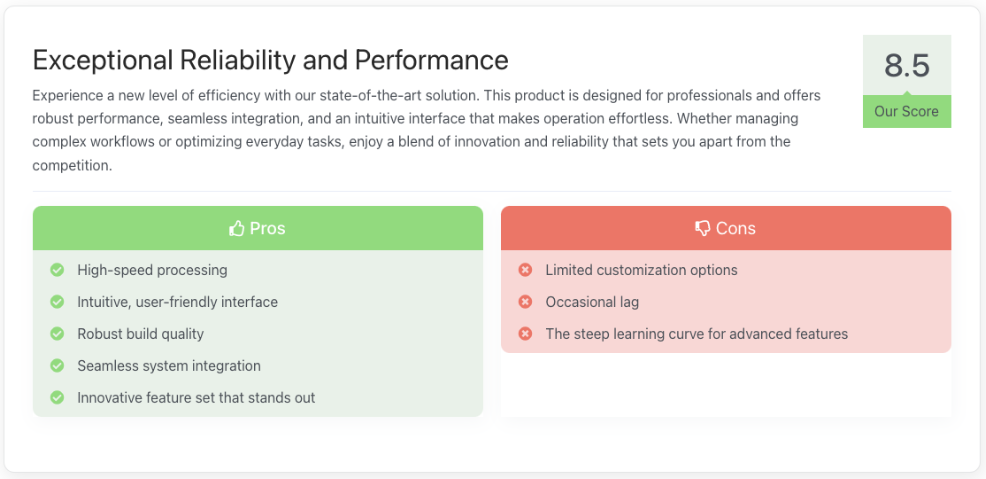
Show average star ratings prominently near product titles so customers immediately see overall sentiment.
Break down ratings by category ( like performance, ease of use, value) to help buyers assess specific attributes.
Include user photos and videos to provide authenticity to reviews.
Enable sorting and filtering so customers can quickly view top‑rated, most recent, or most helpful reviews.
Well-structured and clear reviews reduce friction in decision‑making and encourage visitors to stay longer, boosting your conversion rate and decreasing bounce rates.
Leverage customer reviews in email newsletters and ads
Reviews shouldn’t be confined to product pages; use them throughout your marketing strategy:
Email newsletters: Feature star ratings or short testimonials with product links to nurture and convert subscribers.
Social media: Share user photos and positive feedback snippets to build social proof.
Paid ads: Incorporate real quotes from customers in ad copy or images to increase trust and click‑through rates.
Customer testimonials humanize your brand, create an emotional connection, and reinforce perceived value at every touchpoint.
Feature Top Reviews for Better Engagement
Not all reviews are created equal; some are more detailed, relatable, or informative than others. Make these top reviews work harder by:
Pinning featured reviews at the top of your review section.
Using schema markup so search engines can show rich snippets (like star ratings and featured quotes) in search results, improving visibility and click‑through rates.
Creating a “Most Helpful” section where visitors can quickly find in‑depth, relevant feedback.
Highlighting high‑value reviews ensures potential buyers see the most influential content first, driving trust and boosting the likelihood of purchase.
Ready to Turn Reviews Into More Sales?
Image Source: capitaloneshopping.com
Product reviews are not just customer comments. They are among the simplest ways to show trust, demonstrate value, and help people choose your product with less doubt. A thoughtful review can answer questions, calm concerns, and give buyers the extra push they need to click “buy.”
The good news is that you do not need a complicated strategy to start seeing results. Ask for feedback, keep the review process simple, respond with care, and highlight the most useful reviews. Small improvements in how you collect and display reviews can make a big difference in how people see your brand.
In the end, people trust people. The more real voices you bring into your product pages and marketing, the more believable and helpful your business becomes.
Afrin is a skilled Product Marketing Specialist passionate about WordPress products. She effectively combines her background in Telecommunication Engineering and her MBA in Marketing to bridge technology and marketing. Afrin transforms technical WordPress features into compelling, user-centric content that drives conversions and fosters engagement. In her free time, she enjoys traveling, animated movies, and singing, reflecting her creativity and adventurous spirit.