
How To Start a Blog for Affiliate Marketing in 2026

Affiliate marketing has become one of the most accessible and interactive ways for bloggers to generate income online. It allows you to earn commissions by promoting products or services from other companies without creating or managing your own products.
In this blog, you will get all the basics of how to start a blog for affiliate marketing, why it’s an excellent choice for bloggers in 2026, and how to interact with your own target audience through your affiliate marketing blog. This guide will provide valuable insights to help you succeed.
What is Affiliate Marketing?
Affiliate marketing is a way of earning money by promoting products or services for other companies. Essentially, you act as a middleman between a company and a customer. When someone buys the product through your special referral link, you earn a commission.
The beauty of affiliate marketing is that it doesn’t require you to create your own product. Instead, you can promote existing products, often in a niche that interests you. This makes it a great option for bloggers looking to monetize their content without the complexity of product development.
In simpler terms, affiliate marketing is a performance-based business model. As an affiliate, you promote a product or service on your website or blog. And when someone clicks on your link and makes a purchase, you earn a percentage of the sale. This is done through affiliate programs offered by companies or affiliate networks such as Amazon Associates, ShareASale, or CJ Affiliate.
It’s important to note that affiliate marketers typically don’t handle the sales process or customer service. They only guide the customer to the product. The company selling the product is responsible for the transaction, shipping, and support.
Why Affiliate Marketing is the Best Choice for Bloggers in 2026
Affiliate marketing is more popular than ever, and for good reason. Here’s why it’s an excellent choice for bloggers in 2026:
Low Start-up Costs
Starting an affiliate marketing blog requires very little investment. You don’t need to develop a product, worry about inventory, or handle shipping. All you need is a website, content, and affiliate links.
Flexibility
Affiliate marketing gives you the flexibility to promote products or services from a wide range of industries. Whether you are into fitness, tech, fashion, or travel, there are affiliate programs in nearly every niche. You can create content for your audience’s interests while earning commissions in the process.
Passive Income Potential
Once you have set up your blog and affiliate links, you can earn money in a very convenient way. Unlike traditional jobs, where you are paid for your time, affiliate marketing allows you to earn money passively. If your blog gains traction and attracts more traffic, your earnings can continue to grow even when you are not actively working on it.
Scalability
Affiliate marketing is scalable. As your blog grows, you can promote more products, join additional affiliate programs, and expand your reach. You are not limited by your own inventory or the time you spend creating content. The more traffic you drive to your blog, the higher your chances of earning commissions.
Diverse Earning Streams
Since you can promote products from various affiliate programs, it provides multiple sources of income. You can earn from several companies or products at once, which diversifies your revenue and reduces the risk of relying on one affiliate program.
Steps to Starting Your Affiliate Marketing Blog in 2026
Starting an affiliate marketing blog in 2026 is an exciting journey, and following the right steps will set you up for long-term success. Here’s a breakdown of the steps to take, from choosing your niche to joining affiliate programs.
Step 1: Choose a Profitable Niche
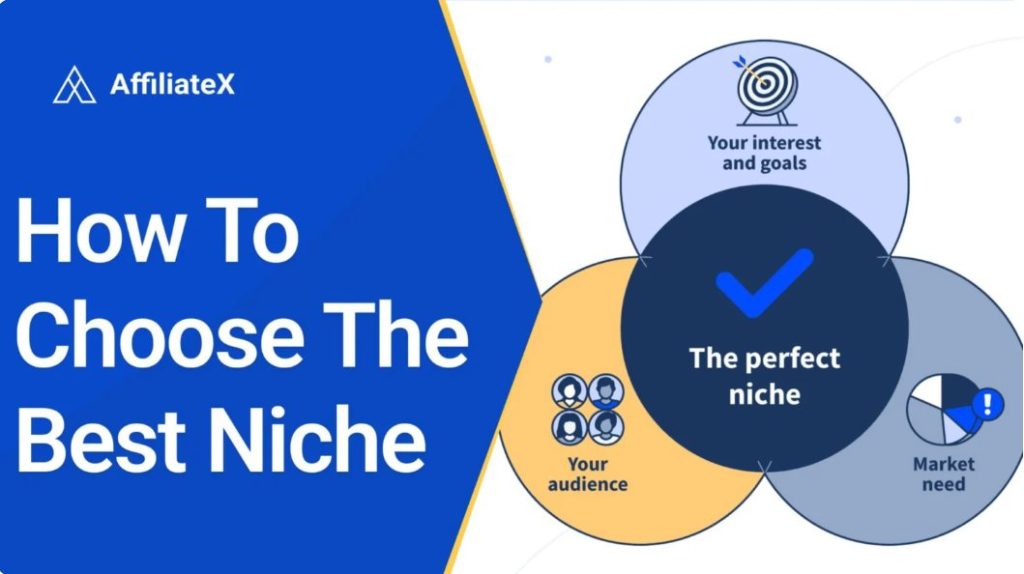
The first step in starting your affiliate marketing blog is selecting the right niche. A niche is a specific topic or area of interest that you will focus on in your blog. Choosing the right niche is crucial because it will dictate the products you promote, the audience you attract, and your earning potential.
How to select a profitable niche:
- Passion and expertise: It’s easier to create engaging content if you are passionate about the niche. Consider your interests and expertise, as this will help you produce authentic and valuable content for your readers.
- Market demand: Your niche should have enough demand to attract traffic, but without being too competitive. Look for areas where people are actively searching for solutions but where the competition isn’t overwhelming.
- Affiliate programs: Ensure there are plenty of affiliate programs and products you can promote within your niche. For example, a health and wellness blog could promote fitness equipment, supplements, or even health apps.
Examples of profitable niches:
- Fitness and wellness
- Personal finance
- Technology (gadgets, software, etc.)
- Home improvement
- Sustainable living
Tools for niche research in 2026:
- Google Trends: You can use Google Trends to see what topics are gaining popularity over time. It’s a great way to spot trending topics that could become profitable niches.
- Ahrefs: Ahrefs is a powerful tool for keyword research and competitor analysis. It shows you the keywords driving traffic to your competitors, helping you identify gaps or opportunities in your niche.
Other than that, you can choose from SEMRush, take help from ChatGPT, Claude, and many other advanced tools to cross-check and make your content research and creation authentic and trendy.
Step 2: Set Up Your Blog (Step-by-Step Guide)
Once you have selected your niche, it’s time to set up your blog. This step includes choosing a blogging platform, setting up your domain and hosting, and designing your blog for affiliate marketing.
Choosing the right blogging platform:
In 2026, WordPress is the most popular and user-friendly blogging platform. It’s flexible, customizable, and optimized for SEO. WordPress also has a wide range of plugins to help you with affiliate marketing, content creation, and SEO.
Selecting a domain name and hosting:
- Domain name: Choose a domain name that’s short, memorable, and relevant to your niche.
- Hosting: Your hosting provider is important for your blog’s performance and security. Look for hosting services that are optimized for WordPress, such as Bluehost or SiteGround. These services offer good speeds, reliability, and security.
SEO-friendly tips for domain names and hosting:
- Choose a .com domain extension, as it’s the most recognized.
- Avoid numbers or hyphens in your domain name for better readability.
- Opt for a reliable hosting provider with excellent customer support and uptime guarantees.
Design and theme considerations for affiliate marketing blogs:
- Pick a clean, simple design that is easy to navigate.
- Use responsive themes so your blog works well on both desktops and mobile devices.
- Ensure your theme is SEO-optimized to help your blog rank higher in search engine results.
Step 3: Create High-Quality Content
Content is the backbone of your affiliate marketing blog. High-quality content not only helps you attract visitors but also builds trust with your audience. The better your content, the more likely people are to click on your affiliate links and make a purchase.
Importance of content for affiliate marketing:
Your content needs to provide value to your readers, answering their questions or solving their problems. It should be informative, engaging, and relevant to your niche. High-quality content will keep readers coming back, improving your chances of making affiliate sales.
Types of content that convert:
- Product reviews: Write in-depth reviews of products you are promoting. Highlight their benefits, features, and drawbacks to help your readers make an informed decision.
- How-to guides: Provide step-by-step guides that show your audience how to use products or services in your niche.
- Listicles: Curate lists of the best products in your niche. For example, “Top 10 Fitness Gadgets for Home Workouts” can be a great way to showcase affiliate products.
Keyword research and content optimization:
To ensure your content ranks well in search engines, you need to do keyword research. This helps you find the terms and phrases your target audience is searching for.
- Tools like SEMrush and Google Keyword Planner can help you identify high-traffic keywords for your niche. Use these keywords naturally within your content to increase your chances of ranking higher on search engines.
- Optimize your meta tags, headings, and images for SEO. Always write with both your audience and search engines in mind.
Step 4: Join Affiliate Programs
Once your blog is up and running, it’s time to start earning money through affiliate marketing by joining affiliate programs.
Top affiliate networks in 2026:
- Amazon Associates: One of the largest and most popular affiliate networks, Amazon offers a wide range of products to promote.
- CJ Affiliate (formerly Commission Junction): A leading affiliate network that provides access to top brands and a variety of products.
Learn More: 10 Best Amazon Affiliate Alternatives in 2026
How to choose the right affiliate products for your niche:
- Relevance: Ensure the products align with your niche and audience. For instance, a fitness blog should promote products such as workout gear and supplements.
- Commission structure: Look for programs that offer competitive commissions. Some programs pay per sale, while others offer a flat fee or recurring commissions.
- Reputation: Promote products and services from reputable brands. Your audience’s trust is crucial, so choose companies with solid reputations and quality products.
Tips for building strong relationships with affiliate partners:
- Be transparent with your audience about affiliate links.
- Build a strong rapport with your affiliate managers to stay informed about new products or promotions.
- Track your performance to identify what works best for your blog, and optimize accordingly.
SEO Tips for Optimizing Your Affiliate Marketing Blog

Search Engine Optimization (SEO) is key to driving traffic to your affiliate marketing blog. Without a good SEO strategy, your content may not reach the right audience. To succeed in affiliate marketing, it’s essential to optimize your blog for search engines. Here are the three key areas to focus on: On-Page SEO, Technical SEO, and Off-Page SEO.
On-Page SEO Strategies
On-Page SEO refers to the strategies you implement directly within your blog’s content and structure to improve its ranking on search engines. This is the most important type of SEO to focus on because it helps search engines understand the relevance and quality of your content.
Key On-Page SEO strategies include:
- Keyword Research and Optimisation: Start by conducting keyword research to identify the terms your target audience searches for. Use tools like SEMrush, Ahrefs, or Google Keyword Planner to find relevant keywords for your niche. Once you have your keywords, naturally incorporate them into your titles, headings, body content, and meta descriptions. But don’t overstuff your content with keywords. Keep it natural and reader-friendly.
- Optimized Title Tags and Meta Descriptions: Title tags and meta descriptions are crucial for search engine ranking and for encouraging users to click on your content. Your title should be engaging and include your target keyword, while your meta description should clearly summarise your blog post. These elements help search engines and users understand the purpose of your page.
- Use of Headings and Subheadings: Break your content into easily digestible sections using H1, H2, and H3 tags. These headings help both readers and search engines navigate your content. Make sure your headings include keywords where appropriate, especially in H1 and H2 tags.
- Internal Linking: Link to other relevant pages or blog posts on your site. Internal links help keep visitors on your site longer and provide search engines with additional context. For example, if you mention a product review in one post, link to a related how-to guide or another review post.
- Optimize Images: Large, unoptimized images can slow down your site, negatively impacting both user experience and SEO. Ensure your images are compressed to improve load times. Additionally, use alt text to describe the image, which helps search engines understand the content and improves accessibility for visually impaired users.
Technical SEO Tips
Technical SEO focuses on the backend aspects of your blog that affect how search engines crawl, index, and rank your site. By improving these technical elements, you can ensure that your blog is optimized for both search engines and users.
Important Technical SEO tips include:
- Improve Site Speed: Site speed is a key ranking factor. Slow-loading websites not only frustrate users but also cause search engines to rank your site lower. Use tools like Google PageSpeed Insights to analyze and improve your site’s speed. Optimize images, minimize CSS and JavaScript files, and consider using a Content Delivery Network (CDN) for faster content delivery.
- Mobile-Friendly Design: In 2026, more people are browsing the web on mobile devices than ever before. Google uses mobile-first indexing, which means that if your site isn’t mobile-friendly, it may be ranked lower. Choose a responsive WordPress theme that adapts to any screen size and test your site’s mobile friendliness using Google’s Mobile-Friendly Test tool.
- SSL Certificate (Secure Sockets Layer): Websites with an SSL certificate (HTTPS instead of HTTP) are trusted more by search engines and users. Google prioritizes secure sites in search rankings, so ensure your blog is SSL-secured by purchasing and installing an SSL certificate from your hosting provider.
- XML Sitemap: An XML sitemap helps search engines crawl and index your blog’s pages more effectively. WordPress plugins like Yoast SEO or Rank Math can automatically generate a sitemap. Submit your sitemap to Google Search Console to ensure all your blog pages are indexed.
- Fix Broken Links: Broken links can hurt your SEO and frustrate users. Regularly check your blog for broken links and fix or remove them. Tools like Broken Link Checker can help identify broken links on your site.
Off-Page SEO Strategies
Off-Page SEO refers to actions taken outside of your blog to improve its ranking. While On-Page SEO focuses on optimizing your blog’s content and structure, Off-Page SEO involves building your site’s reputation, authority, and backlinks.
Key Off-Page SEO strategies include:
- Building Backlinks: Backlinks are links from other websites that point to your blog. They are one of the most powerful ranking factors because they signal to search engines that other websites trust your content. Focus on getting backlinks from high-authority websites in your niche through guest posts, influencer collaborations, or content partnerships. Make sure the backlinks are relevant to your content for the best SEO benefits.
- Social Media Engagement: While social media signals don’t directly affect SEO, promoting your blog posts on platforms like Facebook, Twitter, Instagram, and LinkedIn can drive traffic to your site and increase your blog’s visibility. The more people interact with your content, the more likely it is to gain backlinks and social shares, which indirectly boost SEO.
- Influencer and Guest Blogging: Collaborating with influencers in your niche can help you reach a larger audience and build authority. Guest blogging on other reputable websites is also a great way to earn backlinks and introduce your affiliate marketing blog to new readers.
- Online Reputation Management: Building a strong online reputation helps with SEO. Encourage your readers to leave positive reviews and testimonials, either on your blog or on external review sites. Respond to comments and feedback to show that you value your audience’s input.
- Content Marketing and Content Promotion: Promoting your content across various channels helps attract more visitors to your blog. Content marketing also involves activities such as creating shareable content like infographics, case studies, or e-books, that others might link to.
Monetization Strategies for Affiliate Marketing Blogs
Once your affiliate marketing blog is up and running, it’s time to focus on how to monetize it effectively. There are several ways to earn money through your blog, each with its unique advantages. Let’s look at some of the most popular monetization strategies for affiliate marketing blogs in 2026.
Display Ads vs. Affiliate Marketing
Both display ads and affiliate marketing are effective ways to monetize your blog, but they work in different ways. Understanding the difference between the two will help you decide which strategy works best for your blog.
- Display Ads are ads placed on your website, typically through ad networks such as Google AdSense or Mediavine. These ads generate revenue based on impressions (how often the ad is viewed) or clicks (when someone clicks on the ad). Display ads are easy to set up and can generate passive income without much effort once they are live.
- Affiliate Marketing, on the other hand, involves promoting products or services through affiliate links. When someone purchases through your link, you earn a commission. Affiliate marketing usually offers higher earning potential than display ads because you earn a percentage of each sale.
Which is better?
- Display Ads are good for bloggers with high traffic who want to generate revenue consistently from all visitors, regardless of whether they make a purchase.
- Affiliate Marketing is more profitable if you focus on promoting products that are relevant to your audience and provide value. It’s more targeted and can lead to higher commissions, especially if your readers trust your recommendations.
You don’t have to choose one over the other. Many successful bloggers use a combination of both strategies. Display ads can generate passive income, while affiliate marketing can bring in higher revenue from engaged readers who trust your recommendations.
Using Email Marketing for Affiliate Sales
Email marketing is one of the most powerful tools for affiliate marketers in 2026. It allows you to build relationships with your audience and promote affiliate products directly to their inboxes. When done correctly, email marketing can significantly boost your affiliate sales.
How to use email marketing for affiliate sales:
- Build an Email List: Start by offering something valuable to encourage visitors to sign up, such as a free ebook, checklist, or exclusive content. This helps you build a targeted audience that is interested in your niche.
- Send Personalized Recommendations: Once you have a list of subscribers, you can send targeted emails promoting affiliate products that are relevant to their interests. Personalizing your emails based on user behavior or preferences increases the chances of conversions.
- Create a Sales Funnel: A sales funnel is a series of emails designed to guide subscribers through the decision-making process and ultimately encourage them to purchase. You might send educational content first, followed by product recommendations, testimonials, and special offers to drive affiliate sales.
- Provide Value: The key to successful email marketing is providing real value. Don’t just send affiliate links; share helpful tips, insights, and solutions that align with your audience’s needs. When you genuinely help your readers, they are more likely to trust your recommendations.
- Test and Optimize: Use email marketing tools like ConvertKit or Mailchimp to track open rates, click-through rates, and conversions. A/B testing subject lines, copy, and offers can help you understand what resonates best with your audience and optimize your campaigns.
Using email marketing, you can promote affiliate products in a way that feels personal and non-intrusive, leading to higher engagement and more sales.
Selling Digital Products or Courses in Your Niche
Selling digital products or online courses is another excellent way to monetize your affiliate marketing blog. While affiliate marketing focuses on promoting other companies’ products, selling your own digital products gives you full control over pricing, commissions, and customer experience.
Why selling digital products works well for affiliate marketing bloggers:
- Low Overhead Costs: Once you create a digital product, it’s easy to sell it repeatedly without additional production or shipping costs. This makes digital products an efficient and scalable way to generate income.
- High Profit Margins: Since digital products don’t require physical inventory, your profit margins can be much higher compared to physical products. Whether it’s an ebook, template, or online course, you can keep most of the revenue from each sale.
Types of digital products or courses to sell:
- Ebooks: Create an ebook with valuable insights, tips, or guides related to your niche. For example, if you run a fitness blog, you could sell an ebook with workout plans, nutrition tips, or healthy recipes.
- Online Courses: If you have in-depth knowledge in a particular area, consider creating an online course. Platforms like Teachable and Udemy make it easy to create, market, and sell courses. For instance, a tech blogger could create a course on how to build a website or use a specific software tool.
- Printable Resources: Templates, planners, checklists, and worksheets are highly popular digital products. If your niche focuses on productivity or organization, printable resources can be a great addition to your offerings.
How to sell digital products effectively:
- Create a Landing Page: Set up a dedicated landing page for each digital product. This page should include a clear description of the product, its benefits, and a strong call to action to encourage purchases.
- Promote Through Blog Posts: Integrate your digital products into your regular blog content. Write posts that address common problems in your niche and mention your products as the solution.
- Use Social Proof: Testimonials, reviews, and success stories from customers who have used your products help build trust and encourage others to purchase.
- Offer Discounts and Bonuses: Periodically offer discounts or bonuses (like exclusive content or additional resources) to encourage sales. Special promotions can help generate more revenue during key sales periods.
Common Mistakes to Avoid When Starting an Affiliate Marketing Blog

Starting an affiliate marketing blog can be a rewarding venture, but it’s easy to make some missteps along the way. To ensure your blog’s success and maximize your affiliate earnings, it’s important to avoid common mistakes that many new bloggers make. Here are a few key pitfalls to watch out for:
Overloading Content with Affiliate Links
One of the most common mistakes is overloading your blog posts with affiliate links. While it’s tempting to insert as many affiliate links as possible to increase your chances of earning commissions, this approach can backfire.
Why it’s a problem:
- Poor user experience: When your content is filled with too many links, it can feel spammy and overwhelm your readers. This leads to a poor user experience, which may cause visitors to leave your site before clicking on any links.
- Loss of trust: Readers come to your blog for valuable content, not just to be sold something. If your posts focus too much on affiliate links, your audience can begin to distrust your recommendations, which can hurt your conversions.
How to avoid this mistake:
- Prioritize valuable content: Focus on creating high-quality, helpful content that naturally integrates affiliate links. Use affiliate links where they make sense and add value to the post.
- Limit the number of affiliate links: Don’t overcrowd your posts with affiliate links. Instead, focus on a few well-placed links that genuinely help your audience solve a problem or make a decision.
Remember, your readers are more likely to convert when they trust your advice. By offering value and strategically placing affiliate links, you will build credibility and improve your affiliate sales.
Neglecting SEO and User Experience
Search Engine Optimization (SEO) and user experience are crucial factors in driving traffic to your affiliate marketing blog. Neglecting either of these can limit your visibility on search engines and cause visitors to leave your site prematurely.
Why it’s a problem:
- Poor search rankings: If your blog posts aren’t optimized for search engines, they won’t rank well. This means you’ll miss out on organic traffic, which is essential for growing your blog and earning affiliate commissions.
- Bad user experience: If your site is difficult to navigate, loads slowly, or isn’t mobile-friendly, visitors will quickly leave and may not return.
How to avoid this mistake:
- Focus on SEO: Make sure your blog posts are optimized for SEO by using relevant keywords, crafting compelling title tags, and writing meta descriptions. Use tools like Yoast SEO to help you optimize your posts and ensure they rank well on search engines.
- Improve user experience: Choose a clean, responsive WordPress theme that adapts across devices, ensuring your blog looks great on desktops and mobile phones. Test your site’s speed with tools like Google PageSpeed Insights, and optimise images to improve load times.
- Easy navigation: Organize your content with clear menus and links, and make sure it’s easy for visitors to find what they are looking for.
By focusing on both SEO and user experience, you will attract more visitors, keep them on your site longer, and increase the likelihood of affiliate conversions.
Not Analyzing Results or Tracking Performance
Another common mistake is failing to track your blog’s performance or analyze your affiliate marketing results. Without data, it’s impossible to know what’s working and what isn’t. This lack of insight can prevent you from making informed decisions and optimizing your strategies.
Why it’s a problem:
- Missed opportunities for improvement: Without tracking, you’ll have no idea which affiliate links are performing well or which blog posts are driving the most traffic. This means you could be missing out on optimizing your most successful content or adjusting underperforming strategies.
- Wasted resources: If you are not analyzing results, you might waste time and energy on strategies that aren’t yielding results, preventing your affiliate marketing efforts from reaching their full potential.
How to avoid this mistake:
- Use analytics tools: Tools like Google Analytics allow you to track your site’s traffic, monitor user behavior, and see which pages are performing best. This helps you understand what’s driving traffic to your blog and which affiliate products are converting.
- Track affiliate performance: Join affiliate networks that provide detailed reports on your performance. Most affiliate programs, including Amazon Associates and ShareASale, offer tracking features that show how many clicks and sales each affiliate link generates.
- Test and optimize: Use the data from your analytics tools to test and refine your strategies. Try A/B testing different types of content, calls to action, or affiliate offers to see what resonates best with your audience.
Future Trends in Affiliate Marketing (2026 and Beyond)
Affiliate marketing is an ever-evolving field, and to stay successful. It’s essential to keep an eye on the trends shaping the industry. As we move into 2026 and beyond, new opportunities and challenges will arise, making it important for affiliate marketers to stay adaptable. Here’s a look at some emerging trends and why adaptability will be key to your long-term success in affiliate marketing.
Emerging Affiliate Marketing Opportunities in 2026
Influencer Marketing and Affiliate Collaborations: In 2026, influencer marketing will continue to play a major role in affiliate marketing. Influencers with niche audiences are becoming trusted voices for product recommendations, and more affiliate marketers are collaborating with them to promote products. By teaming up with influencers in your niche, you can tap into their established audience, boosting your affiliate sales.
Why it matters: Collaborating with influencers can give you access to a highly engaged audience that trusts their recommendations. This kind of partnership can significantly improve your affiliate sales, especially if your blog’s audience aligns with the influencer’s followers.
Voice Search Optimization: As voice-activated devices like Amazon Alexa, Google Assistant, and Apple Siri become more integrated into daily life, voice search is becoming a major trend. In 2026, optimizing your content for voice search will become increasingly important. People tend to use natural language when using voice search, so adapting your content to these conversational search queries will help you rank better.
Why it matters: If you can tailor your affiliate blog content to match voice search queries, you will have a better chance of appearing in voice search results, potentially attracting a new audience. For example, instead of ranking for “best fitness gear,” you might target more natural phrases like “What’s the best fitness gear for beginners?”
AI-Powered Content Creation: Artificial Intelligence (AI) is already influencing content creation, and by 2026, it’s expected to play a larger role in affiliate marketing. AI-powered tools can help you generate content faster, personalise information and optimise it for SEO, and even personalise your affiliate product recommendations for specific readers.
Why it matters: Using AI tools to enhance your content creation and personalization will help you save time, improve quality, and deliver more relevant product recommendations. This can boost your credibility with readers and improve affiliate conversions.
Subscription-Based Affiliate Products: Subscription services and products are rapidly growing in popularity. In 2026, more affiliate marketers will adopt this recurring-revenue model to promote subscription boxes, streaming services, software subscriptions, and more.
Why it matters: Subscription-based products often offer recurring commissions, providing a steady income stream. By promoting subscription services in your niche, you can earn ongoing commissions, which is a more stable revenue model than one-time purchases.
Video Content and Affiliate Marketing: Video content, especially on platforms like YouTube, TikTok, and Instagram, is expected to continue dominating in 2026. Marketers and affiliates who create engaging, informative, or entertaining video content have a better chance of building relationships with their audience, leading to higher conversion rates.
Why it matters: Video allows you to showcase affiliate products in an engaging way, leading to greater trust and higher sales. Demonstrations, reviews, tutorials, and unboxings are just a few types of video content that can effectively promote affiliate products.
Why Adaptability is Key to Long-Term Success
As affiliate marketing continues to evolve, adaptability will be the key to long-term success. Here’s why:
- Constant Changes in Technology and Platforms: The tools and platforms you rely on for affiliate marketing, such as social media, email marketing, and SEO, are constantly changing. New platforms and algorithms are introduced regularly, and old ones may fade away or adapt to new trends. Adaptable affiliate marketers can pivot and adjust their strategies as needed.
Why it matters: To continue thriving, you need to stay current with the latest technologies, tools, and platforms. Being flexible and willing to experiment with new techniques and tools can give you a competitive edge. - Evolving Consumer Behavior: Consumer preferences change constantly, and what worked in affiliate marketing a few years ago may not work in 2026. For example, in recent years, consumers have become more interested in sustainable products, ethical businesses, and personalized recommendations.
Why it matters: Understanding shifts in consumer behavior is essential for selecting the right products to promote. Being adaptable means staying in tune with these changes and adjusting your content and marketing strategies accordingly. For example, if your audience is increasingly interested in eco-friendly products, you can adjust your affiliate offerings to reflect this trend. - Adapting to Competition: As affiliate marketing becomes more popular, competition intensifies. New blogs and marketers are entering the field all the time, so it’s crucial to stand out and find your niche. The more adaptable you are to new trends, the more likely you are to stay ahead of the competition.
Why it matters: Being willing to experiment with new content formats, affiliate programs, or promotional techniques helps you differentiate your blog from others. Adapting quickly to changing market conditions ensures your blog stays relevant and competitive. - Staying Ahead of Regulatory Changes: Affiliate marketing is not immune to regulatory changes. Governments around the world are becoming more focused on online privacy, data protection, and advertising transparency. As laws and regulations change, affiliate marketers must stay informed and adjust their strategies to remain compliant.
Why it matters: By being proactive and adaptable to regulatory changes, you can avoid legal issues that could negatively impact your business. It also helps you build trust with your audience, as they will appreciate your commitment to transparency and privacy.
Now Create a Blog for Affiliate Marketing in 2026!
Affiliate marketing presents a fantastic opportunity for bloggers in 2026 to create a flexible, scalable, and passive income stream. By choosing the right niche, producing high-quality content, and joining the best affiliate programs, you can build a profitable blog that continues to generate revenue over time. Remember, success in affiliate marketing requires patience, consistency, and adaptability to stay ahead in an ever-evolving industry.
Start implementing the strategies discussed, and watch your affiliate marketing efforts grow into a rewarding venture. If you want to read more strategic content, don’t forget to follow our blog posts and our YouTube channel.